Fed stress test: Banks can absorb $708 billion in losses and still keep lending
The Federal Reserve’s annual stress test released Wednesday showed that the largest U.S. banks can absorb more than $708 billion in losses under a severe global recession scenario while continuing to lend to households and businesses.
In the Fed’s hypothetical scenario, unemployment would rise to 10%, commercial property prices would fall 39%, and home prices would drop 30%. All 32 banks tested remained above the minimum capital levels required by regulators.
The common equity tier 1 ratio, a key capital measure used to absorb losses during a downturn, fell by 1.6 percentage points in the test but still remained well above the minimum requirement. Estimated losses during the stress period included about $200 billion in credit card losses, $160 billion in commercial and industrial loan losses, and $75 billion in commercial real estate losses.
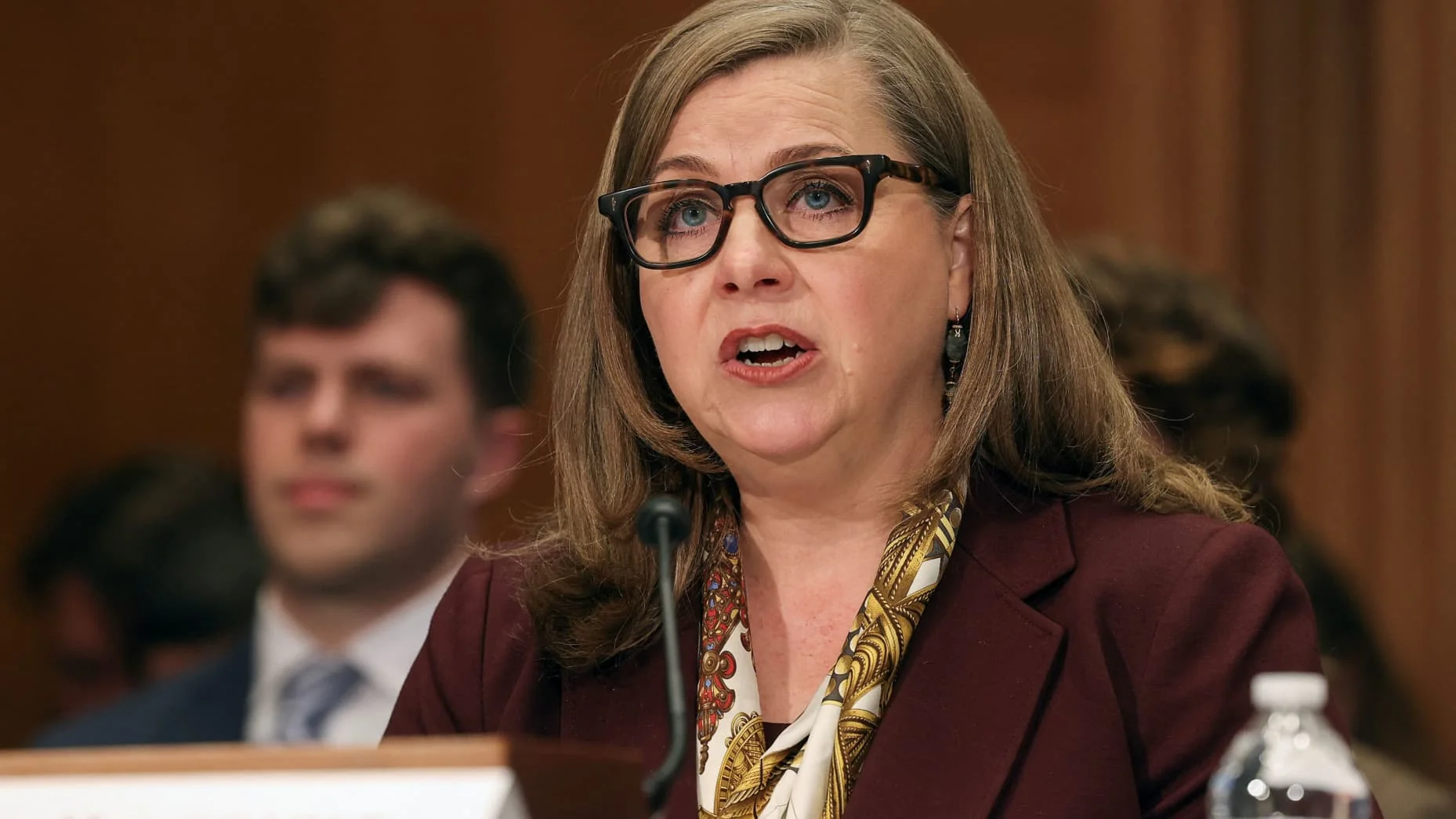
Michelle Bowman, the Fed’s vice chair for supervision, said in a statement: “Today’s results underscore the strength of the banking system.”
This year’s test comes at a key moment in bank regulatory reform. Unlike in previous years, this year’s result will not affect the amount of capital large banks must hold.
That is because in February the Fed said it would keep the stress capital buffer unchanged at least until 2027, while regulators rework the methodology and listen to industry feedback. The change could reshape capital requirements for institutions in the next downturn.
KBW analysts described this year’s test as “a box-checking exercise” in a June 21 research note. They expect banks to focus more on the Basel III Endgame proposal expected later this year than on the stress test result itself.
KBW also estimated that if this year’s result were incorporated into capital requirements, Morgan Stanley, Citigroup, Citizens Financial, and KeyCorp could see significant reductions in their capital buffers.